


“Play the South” Workshop

Designing Playful Services for Milan’s Neighborhood Life
Developed in collaboration with Studio Shift, the Service Design, Urban & Landscape Design Workshop brought together students from the Masters in Service Design & UX and The Master in Urban Vision & Architectural Design to explore the intersection between service and urban design.
Rather than treating play as an outcome, students approached it as a design practice – a way to activate public space, strengthen social connections and uncover new possibilities for everyday urban life.
Designing Playful Services for Milan’s Neighborhood Life
Developed in collaboration with Studio Shift, the Service Design, Urban & Landscape Design Workshop brought together students from the Masters in Service Design & UX and The Master in Urban Vision & Architectural Design to explore the intersection between service and urban design.
Rather than treating play as an outcome, students approached it as a design practice – a way to activate public space, strengthen social connections and uncover new possibilities for everyday urban life.
Project Leader | Mentor
Chiara Quinzii
Project Authors
Students from the Masters in Urban Vision & Architectural Design and in Service Design & UX
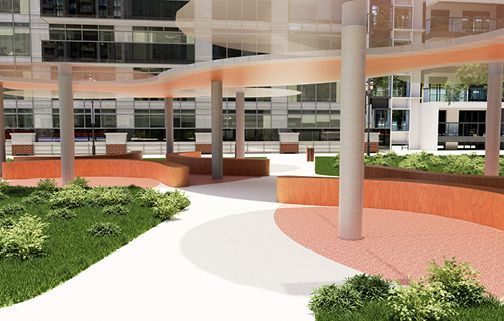
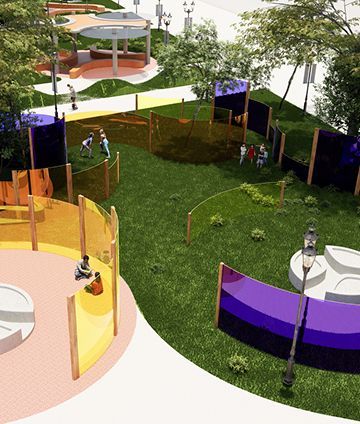
Drawing on service design, place-making, and urban design, the workshop explored how playful interventions can transform the way people experience and relate to their neighborhoods. By encouraging participation, appropriation, and shared use, play becomes a tool for communities to reinterpret existing spaces and collectively shape new meanings, relationships and forms of belonging.
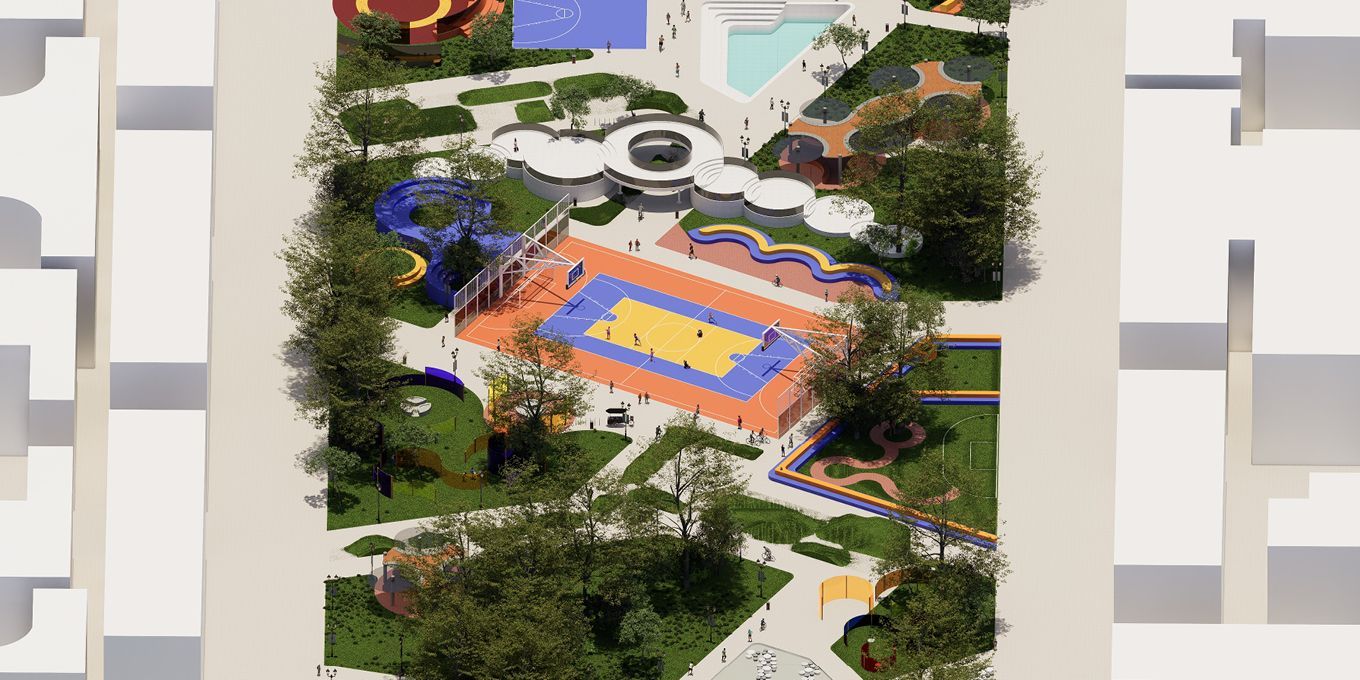
The workshop focused on Giambellino–Lorenteggio, a neighborhood in South Milan undergoing significant social and spatial transformation, further accelerated by the arrival of the M4 metro line and the redevelopment of Piazza Frattini. Rather than proposing additional physical redevelopment, students were challenged to work with the existing urban fabric and activate its latent potential.
Through playful encounters, everyday gestures and new forms of participation, they explored how overlooked, transitional or underused spaces could become more inclusive and relational places for neighborhood life.
The Outcomes
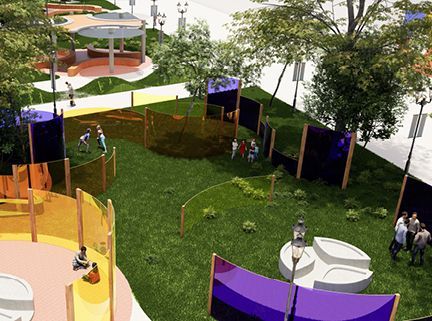
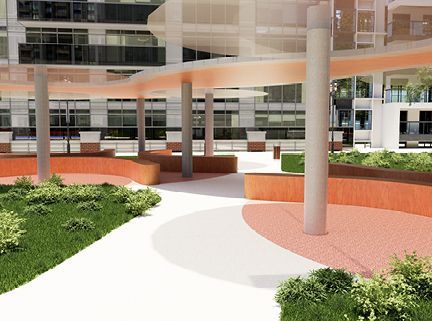
The resulting projects explored play across different scales, generations and moments of everyday life, revealing its potential as a tool for social connection and urban activation.
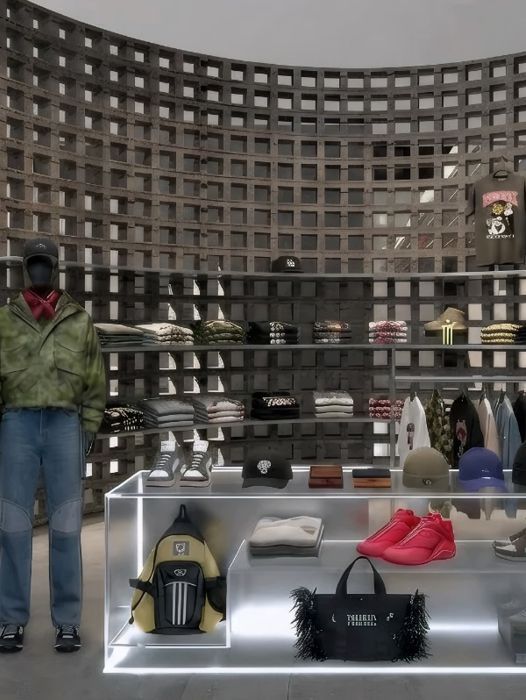
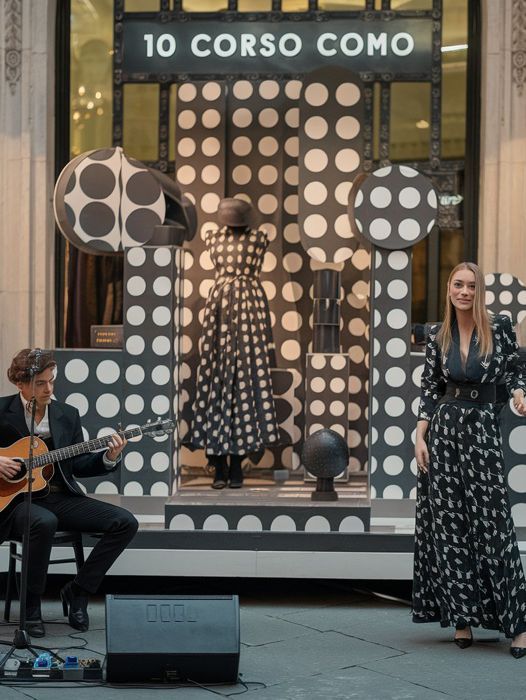
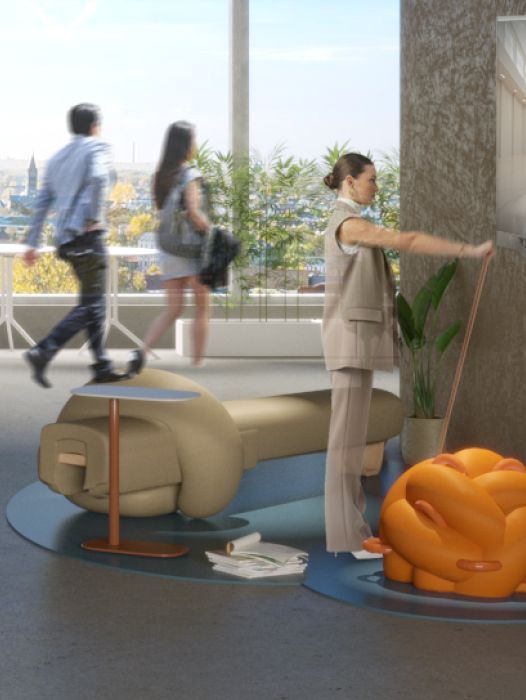
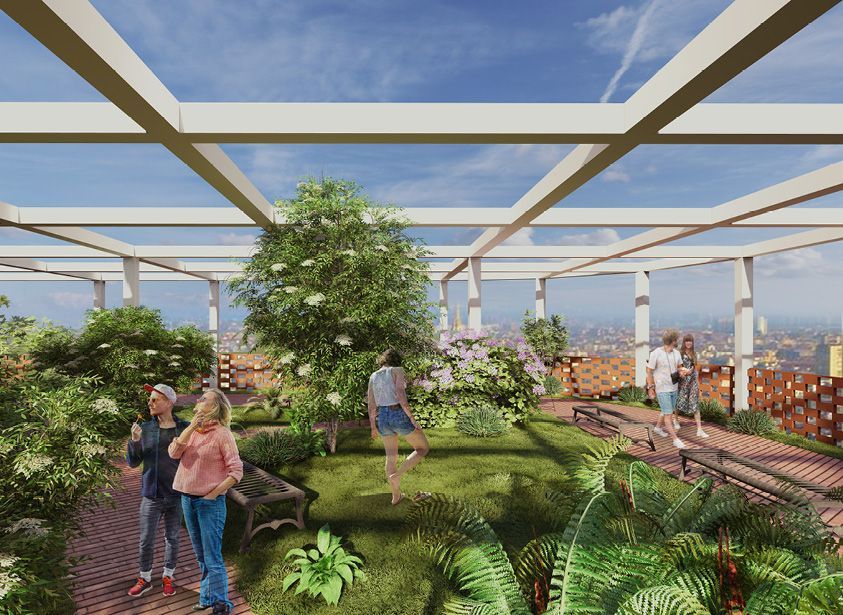
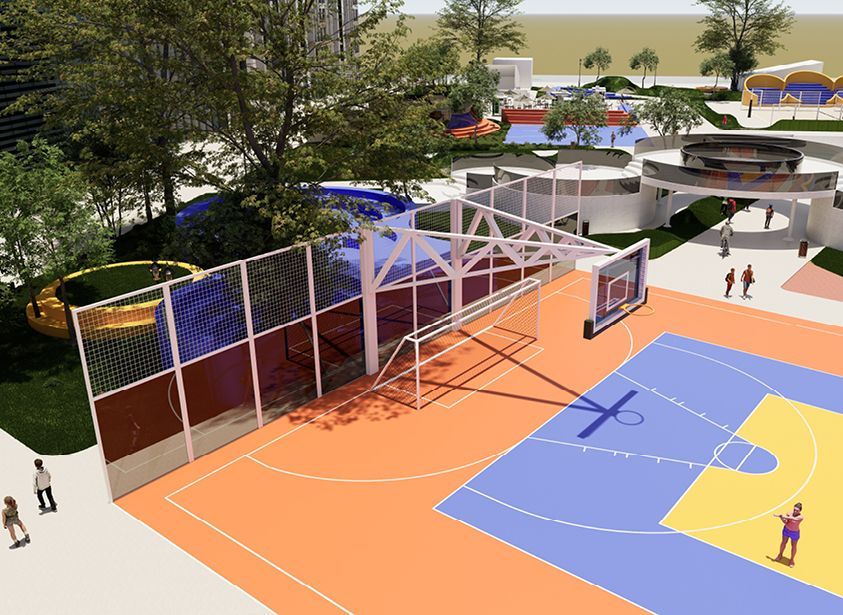
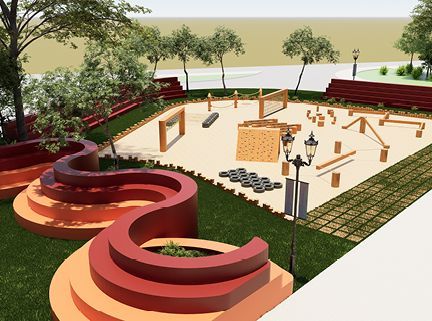
A Due Passi reimagined underused green spaces as opportunities for gardening, participation, and social connection among older residents, while Stages focused on creating inclusive and low-pressure spaces where teenagers could meet, play, or simply spend time together. Frattini Green Continuum brought moments of play, pause, and interaction into everyday routes around the neighborhood, turning commuting into an opportunity to engage with public space. 365 Days of Play explored year-round outdoor play for young children and their caregivers, using nature, weather, and seasonal change as part of the experience. Finally, In Between focused on adults and the overlooked moments between moving and stopping, introducing subtle interventions that support spontaneous activities and shared presence within existing streets and piazzas.
Together, the projects demonstrate how small-scale, adaptable interventions can create new relationships between people and place. Rather than designing fixed solutions, students approached the neighborhood as a living system — using play to encourage participation, strengthen a sense of belonging, and transform everyday public spaces into opportunities for collective experience.