





The Era of Biomaterials in Fashion 2026

Biomaterials are transforming fashion by offering sustainable, bio-based alternatives that reduce environmental impact, inspire innovation, and open new creative and industrial possibilities. Read here below to learn more.
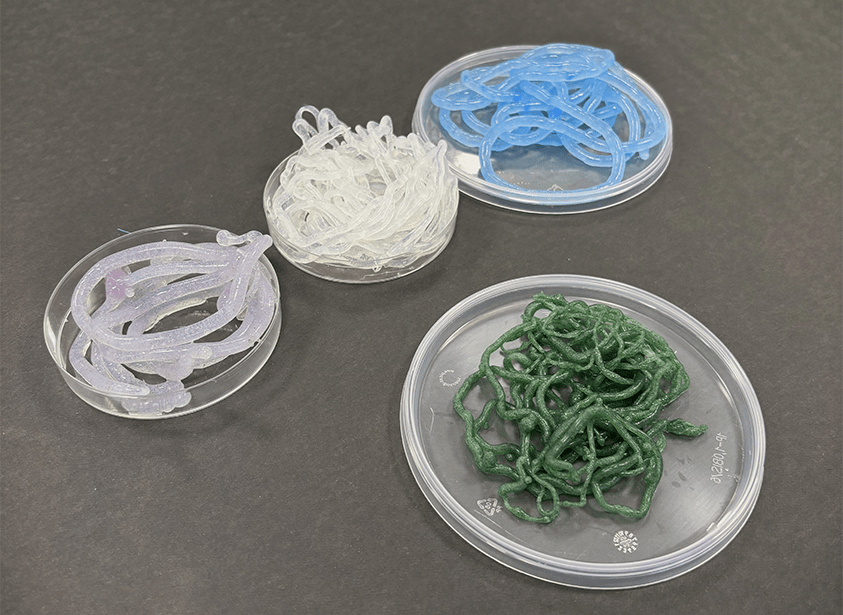
The fashion industry is going through a phase of profound change, driven by the need to reduce environmental impact.
Today, biologically derived materials represent one of the most promising innovations because they combine sustainability, performance, and new creative possibilities. According to recent studies, biosynthetic polymers and bio-based fibers are becoming real and competitive alternatives to petrochemical-based or high-impact materials, such as plastic fibers or animal leather.
The latter, for example, although natural in origin, requires particularly polluting dyeing and tanning processes that make its production environmentally unsustainable.
Limiting the use of traditional materials, such as plastic and its derivatives, helps reduce carbon dioxide emissions, microplastic pollution, and persistent waste in the environment.
Biomaterials used in the fashion sector belong to several categories:
- Natural: linen, hemp, algae, recombinant silk, cultivated and processed sustainably by avoiding the intensive use of pesticides and managing natural-based dyes.
- Semi-synthetic bio-based: regenerated viscose from certified natural sources.
- Biosynthetic and biofabricated: materials produced through biological processes, such as mycelium, SCOBY, and microbial proteins.
- Biological origin: derived from living organisms or their by-products, such as plants, bacteria, algae, fungi, or organic waste.
- Low-impact production processes: limited use of water, energy, and chemicals in comparison with traditional materials.
- Circular life cycle: biomaterials are biodegradable and compostable, thus reducing end-of-life waste.
The use of biomaterials is spreading across many areas of fashion:
- technical and casual clothing, thanks to strong and breathable fibers;
- vegan leather goods made from mycelium or algae;
- advanced textile innovations, including bio-polyesters and biotechnological proteins;
- sustainable packaging, reducing single-use plastic throughout the fashion supply chain.
The path toward a more sustainable textile industry is creating new opportunities:
- increased investment in biomaterial startups;
- new professional skills related to bio-design;
- the development of more resilient supply chains;
- opportunities for brands to differentiate themselves through innovative materials.
Studies show that, thanks to growing consumer awareness of sustainability, biomaterials can become a significant competitive advantage for brands that choose to invest early in these technologies.
Looking ahead, biomaterials represent an essential component of the transition toward a truly circular economy. The fashion sector, historically linked to high levels of consumption, is undergoing a revolution thanks to innovative materials, increasingly transparent production, and biotechnology.
For students, researchers, and professionals, this is a historic moment in which creativity merges with science, paving the way for a new generation of products, processes, and professions.
Domus Academy, a Design School that has always been attentive to the combination of innovation and sustainability, is dedicating space to in-depth material studies, with particular attention to biomaterials.
Students in the two-year Master of Arts in Fashion: Design, Art & Technology at Domus Academy had the opportunity to take part in several laboratory sessions dedicated to biomaterials.
The students explored biofabrication processes firsthand, tested bio-based materials, and experimented with techniques for transforming organic waste into innovative surfaces and textiles. Through practical activities, they were able to understand how natural raw materials — such as algae, mycelium, and polysaccharides — can be transformed into product prototypes, tactile samples, and material concepts for fashion and accessories.
These experiences offer students a privileged view of the future of materials, fostering creativity, awareness, and the technical skills needed to become designers capable of contributing to a fashion system that is increasingly responsible and innovative.
“The use of biomaterials will no longer be an option for the fashion designers of the future, but the key to imagining production systems in which aesthetics, ethics, and innovation merge into a single living material. Understanding their processes means not only designing new textiles, but also rethinking the very role of design in a world that is asking to regenerate itself.”
Margherita Mazza,
Professor
Course Leader MA in Fashion: Design, Art & Technology
Course Leader Master in Fashion Design
“In recent years, biobased materials have transcended the confines of traditional science, moving closer to the field of design, thanks to a growing interdisciplinarity of the subjects, geared towards responding to contemporary challenges. This dialogue strengthens the central role of the designer in product sustainability. Integrating knowledge of materials, properties, and production processes fosters greater critical awareness, promoting a more responsible and informed design approach.”
Laura Civetti
Professor MA in Fashion: Design, Art & Technology
Co-founder and Designer Quasizero studio
FAQ – Frequent questions
1. Why are biomaterials transforming the fashion industry?
Biomaterials are transforming fashion because they offer more sustainable alternatives to traditional high-impact materials, helping reduce carbon emissions, microplastic pollution, and persistent waste while opening new creative possibilities.
2. What are the main biomaterials used in fashion?
The document highlights three main categories: natural biomaterials such as linen, hemp, algae, and recombinant silk; semi-synthetic bio-based materials like regenerated viscose; and biosynthetic or biofabricated materials such as mycelium, SCOBY, and microbial proteins.
3. In which areas of fashion are biomaterials being used?
Biomaterials are increasingly used in technical and casual clothing, vegan leather goods, advanced textile innovation, and sustainable packaging, helping brands combine performance, design, and environmental responsibility.
4. What is the experience of biomaterials at Domus Academy?
At Domus Academy, students in the Fashion: Design, Art & Technology Master of Arts take part in laboratory sessions focused on biomaterials, where they explore biofabrication, test bio-based materials, and transform organic waste into innovative surfaces, textiles, and fashion concepts.