



Interior Design Trends 2026
A New Era of Warmth, Personality and Authentic Craftsmanship.
As we move into 2026, interior design is being reshaped by a global shift towards warmth, individuality and long-lasting aesthetics.
According to trend forecasts from major design authorities such as Dezeen (Jan 2026) and ELLE Decor, 2026 marks a turning point away from cold minimalism towards spaces that feel lived-in, expressive and rooted in meaning.
Below, we explore the key interior design trends shaping homes in 2026—from colour palettes to spatial experiences, material choices and attitude shifts.
Design publications and trend reports highlight a move away from stark neutrals towards deeper, more evocative hues:
- Rich Browns and Earth Tones — Chocolate, espresso and caramel tones create depth and cocooning atmospheres, ideal for both living rooms and intimate spaces.
- Tranquil Teals and Nature Greens — Earthy greens and jewel-like teals bring calming yet expressive energy, balancing warmth with sophistication.
- Mellow Reds and Warm Blacks — Sophisticated reds and warm blacks add personality without overwhelming.
Why it matters: This shift reflects a desire for interiors that feel purposeful and grounded rather than purely Instagram-ready.
Out with rigid lines, in with forms that flow. Designers forecast an embrace of curves and organic geometry in everything from furniture to architectural elements.
- Curved Furniture and Arched Details — Sofas, cabinets and doorways with gentle arcs soften rooms and promote intimacy.
- Fluid Spatial Layouts — Moving beyond strict rectilinear planning, interiors will feel more adaptable and human-centred.
This organic aesthetic is part of a broader ‘warm minimalism’ that prioritises comfort without sacrificing clarity.
A notable theme emerging in 2026 trends (as also highlighted by broader industry commentary) is the return of the human touch. Craftsmanship and longevity are gaining priority over fast, fleeting design.
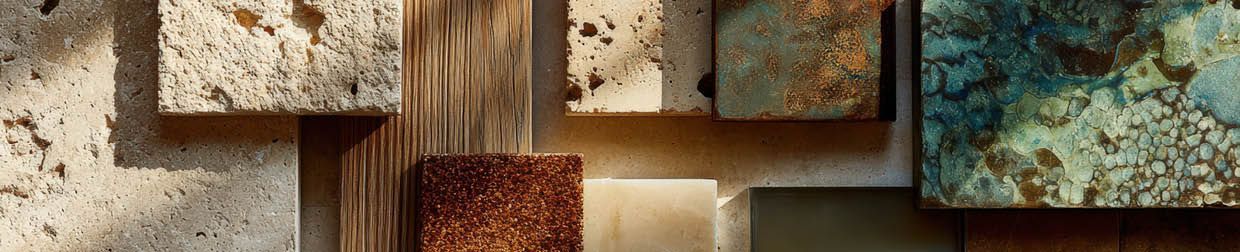
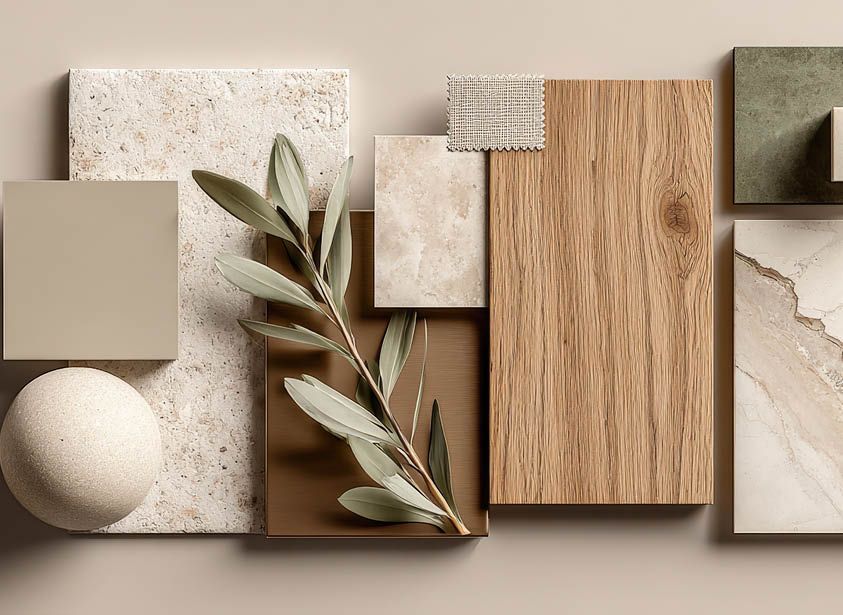
- Hand-finished woods, textured stone and artisanal details bring bespoke character.
- Vintage integration—mixing antiques and heritage pieces with contemporary design adds soul and narrative.
Trend insight: Authentic materials and bespoke pieces age gracefully, aligning with sustainability and anti-throwaway culture.
While minimalism isn’t disappearing entirely, 2026 welcomes a refined maximalist undercurrent:
- Layered Patterns and Small Prints — Designers advise subtle prints that enrich spaces without visual noise.
- Eclectic Colour Drenching — Fully immersive colour schemes (walls, ceilings, trims) are gaining traction as an expressive alternative to accents.
- Mixed Metals and Oversized Lighting — Combining brass, pewter and statement lighting infuse interiors with curated flair.
This approach favours meaning and emotional resonance over purely neutral or corporate minimalism.
Designers are championing rooms that serve clear social or functional identities:
- Revival of the Dining Room — Once open-plan’s casualty, dedicated dining spaces are being redesigned for daily living and connection.
- Textural Bathrooms — Techniques like “tile drenching” extend materials seamlessly throughout wet spaces, balancing practicality with visual impact.
2026 interiors are less about open space for its own sake and more about defined experiences within the home.
Alongside the trends that define 2026, designers (as noted in ELLE Decor US) are also abandoning some previous favourites:
- Modern farmhouse looks and neutral jute rugs are considered on the decline.
- White-box rooms with sterile minimalism are losing ground to textured, warmer environments.
This reinforces a broader industry sentiment favouring depth, nuance and emotional warmth.
In summary, interior design in 2026 is characterised by:
- Colour richness and earthy palettes
- Organic forms and fluid spatial experiences
- Material authenticity and craftsmanship
- Refined maximalism rooted in personality
- Intentional spaces that prioritise connection
These trends suggest a departure from purely utilitarian minimalism towards a design philosophy that values experience, meaning and sustainability.
FAQ – Frequent questions
1. What are the main interior design trends for 2026?
The main interior design trends for 2026 include warmer, earthy colour palettes, organic and curved forms, authentic materials, refined maximalism, and spaces designed with clear purpose and emotional value.
2. Why is craftsmanship important in interior design in 2026?
Craftsmanship matters in 2026 because designers are prioritising quality, durability and authenticity over fast, disposable design, using natural materials and artisanal details to create more meaningful interiors.
3. How does Domus Academy train future interior designers?
Domus Academy offers Master in Interior & Living Design focused on innovation, materials, spatial experience and contemporary trends, preparing students for professional practice in the global design industry.