





5 Common Mistakes to Avoid in Your Portfolio
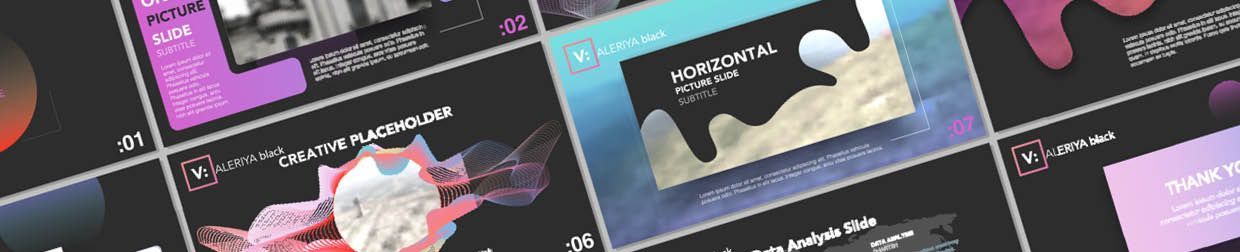
A well-structured portfolio is a key element in any design application, whether for academic programmes, professional opportunities, or scholarships. Read below to get a clear guide on how to strengthen visual clarity, narrative coherence, and strategic presentation of your work.

A portfolio is a critical component of many university and scholarship applications. It demonstrates your technical abilities, creative development and readiness for advanced study.
However, applicants often overlook essential elements that can significantly influence assessment outcomes.
Below are five common mistakes to avoid when preparing your portfolio.
Undergraduate applicants sometimes include work simply to increase volume, rather than selecting pieces that reflect genuine interest in their chosen discipline. This results in a portfolio that lacks coherence and makes it harder for reviewers to understand your strengths.
Avoid:
- Including projects unrelated to the subject area
- Adding work solely to increase page count
- Mixing styles or themes without intention
Admissions panels value insight into your thinking. When applicants include only finished pieces, without showing how ideas were developed, reviewed or refined, the work appears superficial.
Avoid:
- Omitting research, sketches, prototypes or iterations
- Providing visuals without short explanatory captions
- Presenting work without clear purpose or concept
An overly long portfolio can dilute your strongest work. Reviewers must be able to evaluate your capabilities efficiently, and clarity is often more compelling than volume.
Avoid:
- Extremely large portfolios
- Multiple similar projects with no added value
- Low-quality or unfinished pieces
At postgraduate level, evaluators expect to see evidence of advanced inquiry, conceptual development and methodological rigour. Submitting polished visuals without demonstrating the academic or professional relevance can weaken your application.
Avoid:
- Treating postgraduate requirements as identical to undergraduate
- Failing to articulate research foundations or design rationale
- Not demonstrating how your work engages with your intended field of study
Different programmes and scholarships require specific formats, project types or thematic approaches. A uniform portfolio may not meet criteria and can appear disengaged from the expectations of each institution.
Avoid:
- Reusing a single portfolio for every application
- Overlooking guidelines regarding format, length or required content
- Failing to highlight competencies relevant to the specific programme
Common Pitfalls for All Applicants
Regardless of study level, the following mistakes frequently affect portfolios:
- Poor visual or structural organisation, leading to unclear navigation
- Incorrect or outdated personal information, such as email or web links
- Low-resolution images or inconsistent layout, diminishing the quality of your work
- Lack of proofreading, which can give the impression of insufficient care or professionalism
FAQ – Frequent questions
1. How can I avoid the most common portfolio mistakes?
Focus on relevant work, show your creative process, keep the portfolio concise, and follow each institution’s guidelines to ensure clarity and professionalism.
2. Should I customise my portfolio for each application?
Yes. Tailoring your portfolio to the specific programme or scholarship improves your chances, as requirements often differ in content, structure, and emphasis.
3. What should a strong portfolio include?
A strong portfolio features curated projects, clear documentation of process, high-quality visuals, accurate personal information, and a coherent layout.
4. What programmes does Domus Academy offer at undergraduate and postgraduate levels?
Domus Academy provides accredited Bachelor of Arts programmes and a wide range of Master’s and Master of Arts degrees in design, fashion, and business fields.
5. Are scholarships available at Domus Academy?
Yes. Domus Academy offers merit-based scholarship competitions for both undergraduate and postgraduate applicants, often requiring a portfolio or project submission.